
How to Play Tag: Tips and Strategies to Outsmart Your Opponents
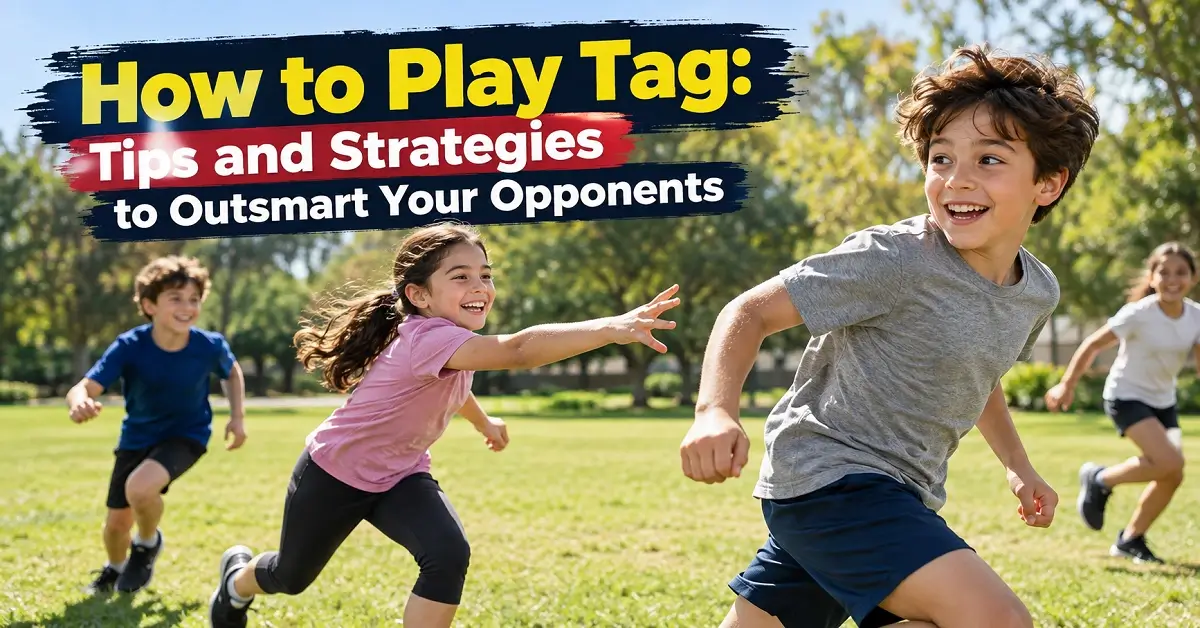
Tag Game Strategies help you move smarter, dodge your opponents, and become harder to catch. Whether you are chasing friends in the schoolyard or enjoying an online running game, learning when to sprint, turn, and change direction can give you a real advantage.
Tag is a simple but exciting game of speed, agility, awareness, and decision-making. You do not need to be the fastest runner to perform well. By reading your opponents’ movements, using open space wisely, and controlling your energy, you can become a better chaser or a more challenging target. These practical tips also apply to movement-based games on Cool Math 4 Games, where timing and quick reactions can make a difference.
What Is the Main Objective of a Tag Game?
The main objective of a traditional tag game is to avoid being tagged if you are a runner or successfully touch another player if you are “It.” Once a runner is tagged, the players switch roles or follow the rules of the selected variation.
Tag combines physical activity with quick thinking. You must decide when to run, where to move, and how to respond when an opponent changes direction. The same principles of timing and prediction can help you approach digital chase and running games more strategically.
What Are the Basic Rules of Tag You Should Know?
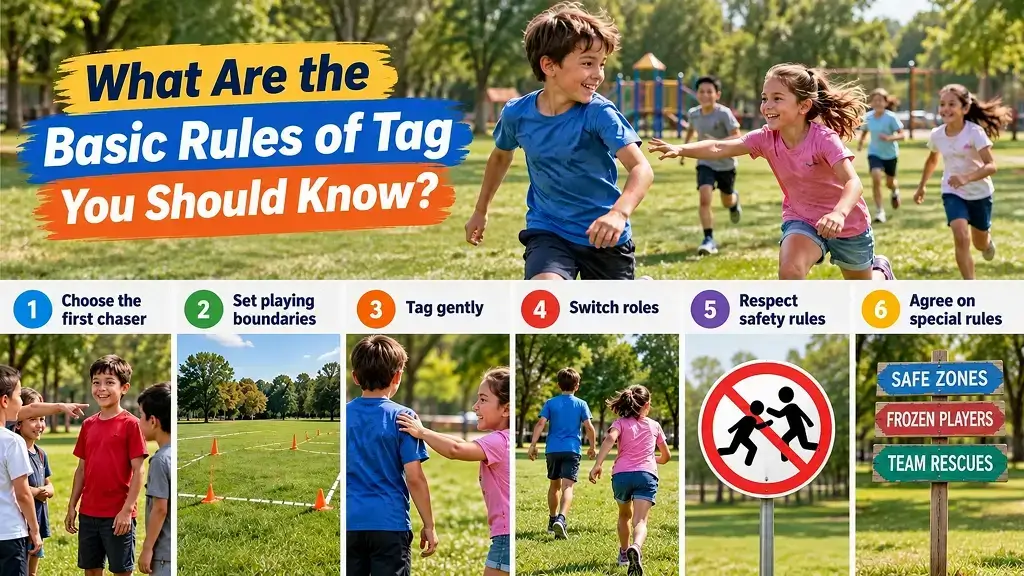
Before playing, agree on the boundaries, tagging method, and rules for switching roles. Clear rules keep the game fair and reduce unnecessary collisions.
Follow these basic rules:
- Choose the first chaser: Select one player to be “It.”
- Set playing boundaries: Identify the safe playing area and its limits.
- Tag gently: Touch an agreed area, such as the shoulder or arm, without pushing or grabbing.
- Switch roles: The tagged player becomes “It,” unless the variation uses another rule.
- Respect safety rules: No tackling, tripping, blocking dangerously, or entering restricted areas.
- Agree on special rules: Decide whether safe zones, frozen players, or team rescues are allowed.
Quick Warm-up Exercises Before Playing Tag
A short warm-up prepares your muscles for running, stopping, and changing direction. Spend around five minutes moving comfortably before beginning a fast-paced game.
Try these exercises:
- Light jogging: Jog gently for 60 seconds.
- High knees: March or jog in place for 20–30 seconds.
- Side shuffles: Move sideways in both directions for 30 seconds.
- Dynamic leg swings: Swing each leg gently within a comfortable range.
- Short acceleration drills: Gradually increase your speed over a short distance, then slow down under control.
Avoid sudden maximum-speed sprints before your body is ready.
Top Tag Game Strategies to Dominate the Schoolyard
The best Tag Game Strategies combine awareness, controlled movement, and smart positioning. Instead of running randomly, pay attention to where the chaser is looking and which escape routes remain open.
1. Never Stop Moving: The Art of Agility
Keep moving when the chaser is close, but do not waste energy sprinting continuously. Short bursts of speed followed by controlled movement can help you react more effectively.
- Change direction when the chaser commits to a route.
- Use short, quick steps when preparing to turn.
- Accelerate into open space rather than toward a crowded area.
- Practise stopping and restarting without losing your balance.
2. Use Your Environment and Cover Wisely
Look for open lanes and safe turning areas before the chase begins. Trees, cones, and other permitted obstacles may provide useful routes in an appropriate outdoor playing area, but never use them to create dangerous blind spots.
- Move around obstacles only when there is enough clearance.
- Avoid narrow gaps where players could collide.
- Keep away from wet surfaces, stairs, roads, and sharp corners.
- Follow the agreed boundaries instead of cutting through restricted areas.
3. Anticipate Your Opponent’s Moves
Watch the chaser’s shoulders, hips, and direction of travel. These clues may help you predict their next move, although experienced players can change direction unexpectedly. Try a small change of direction to see how the chaser reacts. If they follow immediately, use the opposite open route when it is safe.
4. Maintain Balance: Accuracy Over Pure Speed
Fast running is useful, but balance helps you stay in control. When changing direction, lower your centre of gravity slightly, shorten your steps, and push off carefully. This approach helps reduce slipping and makes your movements more predictable to you but less predictable to your opponent.
How to Win as the “It” (The Chaser)
As the chaser, your goal is to reduce escape options rather than follow one player blindly. Look for opportunities to intercept runners while maintaining enough space to stop safely.
Corner Your Opponents
Guide runners toward the edge of the playing area without trapping them against obstacles or forcing unsafe contact.
- Watch several runners instead of focusing exclusively on one.
- Position yourself between a runner and an open escape route.
- Choose a realistic target instead of repeatedly chasing the fastest player.
- Avoid sudden movements that could cause a collision.
Fake Your Direction to Confuse Runners
Make a small, controlled movement in one direction, then redirect toward an available route. A convincing change of direction may encourage a runner to react too early. Do not overuse the same trick. Alert opponents may recognise the pattern and use your movement against you.
How to Survive When You Are Being Chased
When the chaser approaches, stay calm and choose a route before making a sudden move. Your goal is to create distance while keeping your movement controlled.
- Watch Your Back and Check Blind Corners: Use quick glances to track the chaser without losing awareness of the space ahead. Avoid running backward or turning your head for so long that you stop noticing obstacles.
- Keep a Safe Distance and Conserve Energy: Use a steady pace when the chaser is far away and save short bursts of speed for important moments. If you sprint at full speed throughout the game, fatigue may make your reactions slower. Remember to drink water, take breaks when needed, and stop if you feel dizzy or unwell.
Popular Types of Tag Games to Switch Up the Fun
Different variations introduce new challenges and teamwork opportunities.
| Tag variation | How it works | Best strategy |
|---|---|---|
| Classic Tag | The tagged player becomes the next chaser. | Change direction and watch escape routes. |
| Freeze Tag | Tagged players freeze until a teammate frees them or a rule-defined event occurs. | Rescue teammates when the route is clear. |
| Zombie Tag | Tagged players join the growing group of chasers. | Spread out and avoid being surrounded. |
| Team Tag | Players work in teams to tag opponents. | Communicate and cover different routes. |
- Freeze Tag Strategies: If you are a runner, avoid getting too close to the chaser when a teammate is frozen. If you are trying to rescue someone, wait for a safe opening and plan your escape route first.
- Zombie Tag (Infection Tag): In Zombie Tag, tagged players usually join the chasing side. Runners should avoid crowded areas and watch for chasers approaching from multiple directions. Chasers can spread out to cover more space without blocking one another dangerously.
- Team Tag and Collaboration: Teamwork can be more effective than individual speed. Communicate clearly, spread out, and avoid chasing the same opponent when another player can cover a different route.
Best Places and Safe Environments to Play Tag
Choose a flat, open space with good visibility and enough room for players to change direction. A school playground, grassy park area, or suitable indoor sports hall can work well when permitted.
Before starting, check for slippery surfaces, holes, loose equipment, traffic, and other hazards. Adjust the playing boundaries to suit the number and ages of participants.
You can also practise reaction timing in digital games on Cool Math Games. Apply the same ideas of anticipation, movement, and decision-making while remembering that online controls and objectives differ from physical tag.
Important Safety Gear and Dress Code for Playing Tag
You usually do not need specialised equipment for traditional tag, but appropriate clothing and footwear help you move comfortably.
Wear Proper Athletic Shoes
Choose secure, well-fitting athletic shoes with suitable grip for the playing surface. Avoid loose footwear or shoes that make running and turning difficult.
Choose Breathable and Comfortable Clothes
Wear lightweight clothing that allows free movement. Remove dangling accessories, secure long hair, and avoid items that could catch on obstacles or other players. For outdoor games, consider the weather and bring water. Stop playing if the surface becomes unsafe or conditions make running uncomfortable.
Final Thoughts
Mastering Tag Game Strategies is about more than running fast. You need to read your opponents, control your movements, conserve energy, and make decisions under pressure. Whether you are playing classic tag with friends, testing your teamwork in Freeze Tag, or practising reaction skills in Cool Math 4 Games, consistent practice can help you improve.
Start with one technique at a time. Practise controlled turns, pay attention to your opponents, and always prioritise safe movement. With patience and smarter decisions, you can become a more confident chaser and a tougher player to catch.
FAQs
How do you always win at tag?
There is no guaranteed way to win every round. Improve your chances by anticipating movements, changing direction intelligently, conserving energy, and choosing safe escape routes. As the chaser, focus on positioning and interception rather than simply running faster.
What is the fastest way to tag someone?
The most effective approach is often to anticipate where the runner will go and intercept that route. Use a short acceleration when appropriate, maintain your balance, and tag gently according to the agreed rules.
Can adults play professional tag?
Yes. Adults can participate in organised competitive chase-tag formats, including World Chase Tag competitions. These events use defined rules, structured courses, and trained athletes, making them different from casual playground tag.
Can Tag Game Strategies help you in online games?
Yes. Skills such as timing, predicting movement, choosing routes, and reacting quickly can transfer to many online chase and running games. However, digital games may require additional skills, such as learning keyboard controls, understanding game physics, and recognising level-specific obstacles.
Featured Games — Play Without Leaving This Page
Click any card to play instantly — no download, no sign-up required.
 Brick Breaker
 Awesome Tanks 2
 Run 3 – Temple Scientist
 Ben 10 Alien Run
 Football Bros
 Math Playground
 Red Ball 4
 Planet Clicker
 Tap Tap Racing
 Block Blast
 Tiny Fishing
 Tetris Master
 Loaf Clicker
 Snowrider
 Ultimate Trivia Quiz
 Candy Clicker
 Drift Boss Supercar
 Dino Game
 Math Duel
 Low’s Adventures 3
 Math Challenge For Kids
 Cookie Clicker
 Snake Game
 Math Trivia
